
The Australian property market has continued to lift in 2025, but the structural shortage of new housing remains. Housing targets remain out of reach, construction costs are weighing on feasibility, and many projects that look good on paper are still challenging to deliver.
To close out the year and look ahead to 2026, Intrapac CEO and past UDIA National President Max Shifman reflects on interest rates, supply, policy settings and how Intrapac’s pipeline is positioned across South East Queensland, northern New South Wales and Victoria.
2025 in Review: Rates, Prices and First Home Buyers
Max describes 2025 as a year where the market improved, but not at the pace needed.
“Lagging markets like Victoria have started to rise, and housing approvals have lifted from cyclical lows. But we remain a long way from where things need to be. In the first year of the housing accord, the country has fallen over 60,000 homes short compared to the target.”
The shift started with changes to monetary policy, as early interest rate cuts lifted confidence and began to unlock buyer activity.
“The big thing that happened this year was we finally saw some interest rate relief. We have gone from record-low interest rates to some pretty significant and rapid increases post-pandemic. High and sticky inflation has come off a bit, which gave the RBA the ability to start looking at relaxing some of their monetary policy. Every time there was a reduction, we saw a jump in enquiries and in sales volumes.”
For first home buyers, federal policy played a significant role, offering new ways for young Australians to break into the market, but placing additional pressure on overall demand.
“The other significant change this year is the federal government increasing the number of places and relaxing the criteria for the First Homeowner Deposit Guarantee. It essentially means new homeowners can now enter the market with just a five per cent deposit and without having to pay lenders’ mortgage insurance. That is stimulating a lot of demand at the lower end under various price caps.”
“That was entirely predictable when you did not have a lot of new supply coming in to make up for it. As a result, we are seeing the lower end of the market really accelerate in terms of price growth compared to other cycles, where you would normally see the high end accelerate first.”
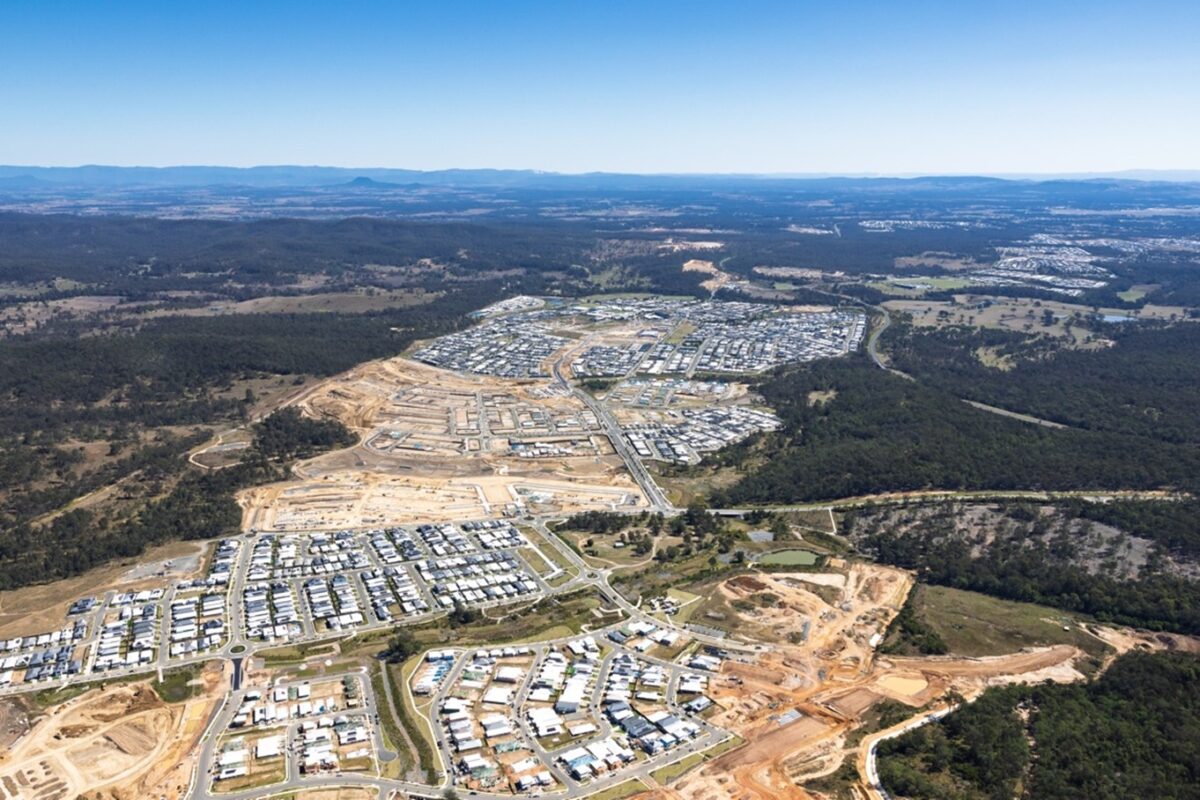
Whiterock, Queensland
Supply, Feasibility and a Divided National Market
Below the headline numbers, Max sees a clear divergence between cities and a consistent feasibility challenge.
“Most of our major cities have now hit the million-dollar house price median. Brisbane and the whole of Southeast Queensland have been phenomenal. We have seen that post-pandemic rush towards warmer areas continue, and at the same time, you have a very supply-constrained market there.”
He looks to established supply and emerging listings as a good indicator of how each state is tracking.
“If you look at established housing supply, listings in cities like Adelaide and Brisbane remain at pretty much record lows. This means they are really struggling to keep up with the underlying demand, and that is going to make more new housing feasible in these places.
Sydney and Melbourne listings remain elevated or at least close to long-term norms, so in some ways they lag the rest of the country.”
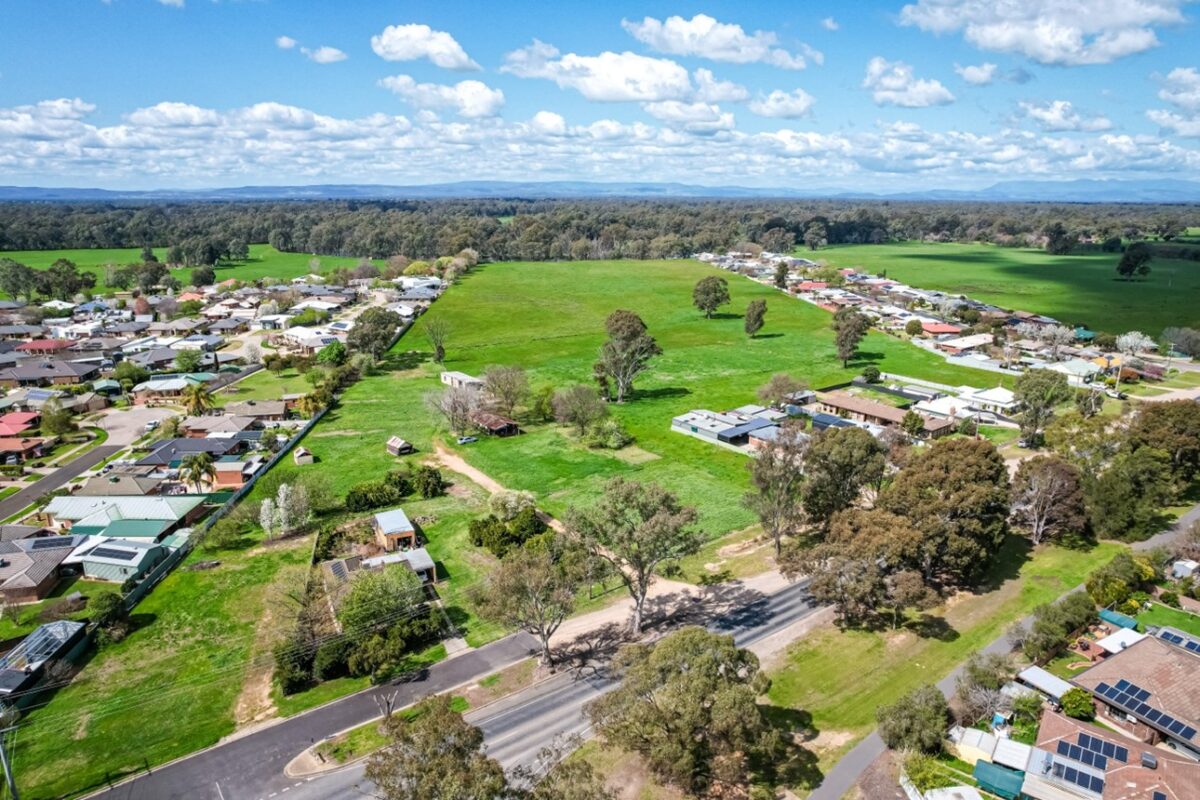
Site for Murdoch Waters, Wangaratta
Victoria is also dealing with a confidence and cost issue.
“There is a lack of business and investment confidence in Victoria at the moment. It was recently rated one of the worst states to do business in. It has a very challenging tax regime for investors, so they are pulling housing out of the market.
In the long-term, that becomes a real negative for supply and for affordability. A new development needs to essentially take up a lot more cost, meaning that fewer and fewer projects remain feasible.”
Across the board, construction cost escalation is limiting what can be delivered.
“Construction costs continue to be a major factor for the feasibility of new development around the country. Everything from building a detached house through to mid and high-rise development is impacted. Construction cost escalation has continued to exceed underlying cost inflation, which means it is not getting cheaper to build.”
“It means the feasibility of projects is impacted. In the case of some high-rise projects, there were examples where projects that were approved and partially pre-sold were not able to continue because the cost of construction escalated so much. That is going to remain a real challenge for the sector over the next few years.”
Middle Ring Townhomes and the Importance of Scale
In that environment, Max sees medium-density in established, well-serviced locations as central to the affordability story.
“The middle ring still has a massive role to play when it comes to housing affordability across every major city in Australia. It is where you can still sell at a relatively accessible price point, and construction costs are moderate.”
“Nothing is inexpensive these days, but it is the right balance between what it costs for a builder developer to build something and what a home buyer can afford to pay, and a lot of these areas are very desirable suburbs.”
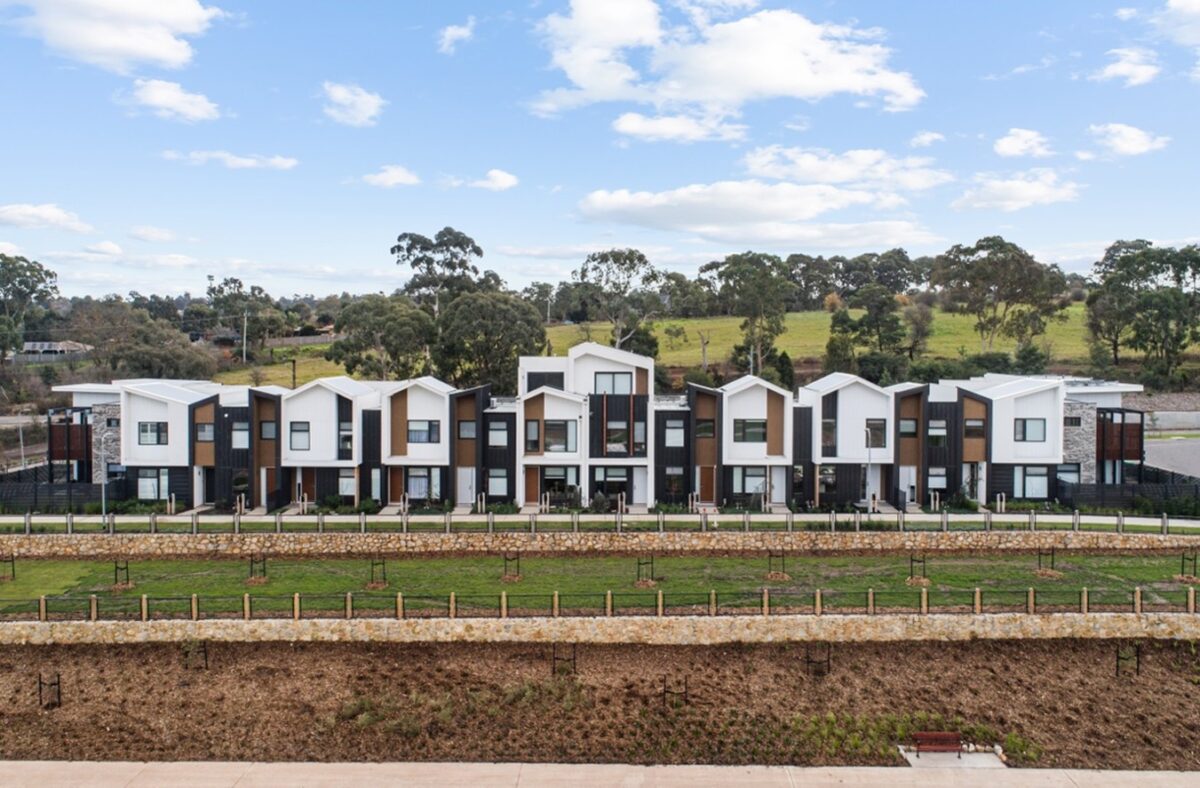
Avant Townhomes at Kinley, Lilydale
The key, he argues, is not to rely on small, piecemeal infill.
“The challenge we have is scale. There is a lot of focus on building two dwellings on a single block after a knockdown, and that only has so much capacity to deliver housing at a price point that is available to more people.”
“You really need to be increasing the scale of those projects to get the efficiency and drive that price point to a level where more and more people can afford it.”
This thinking is reflected in Intrapac’s own work on attached and medium-density products within masterplanned communities in both growth areas and key regional centres. Intrapac’s subsidiary, Avant Townhomes, continues to grow and meet this demand with well-designed and customisable home options for the modern purchaser.
Intrapac’s 2025 Milestones and the Path into 2026
Despite the challenges, Intrapac has continued to progress key projects, so they are ready as conditions allow.
“2025 has really shown the resilience of the South East Queensland market. At Whiterock, we have seen good prices and strong sales rates, and our construction program is very active to match buyer demand. That is just a function of how supply-constrained the whole Brisbane region is.”
In northern New South Wales, the focus has been on building momentum and unlocking the next stages of established communities.
“We were able to relaunch Banyan Hill after about a four-year hiatus, and that has been very well received in the market thus far.”
“We have almost got the final approvals on our commercial centre for Aureus, and we have approval for a major townhouse project to complete that development as well.”
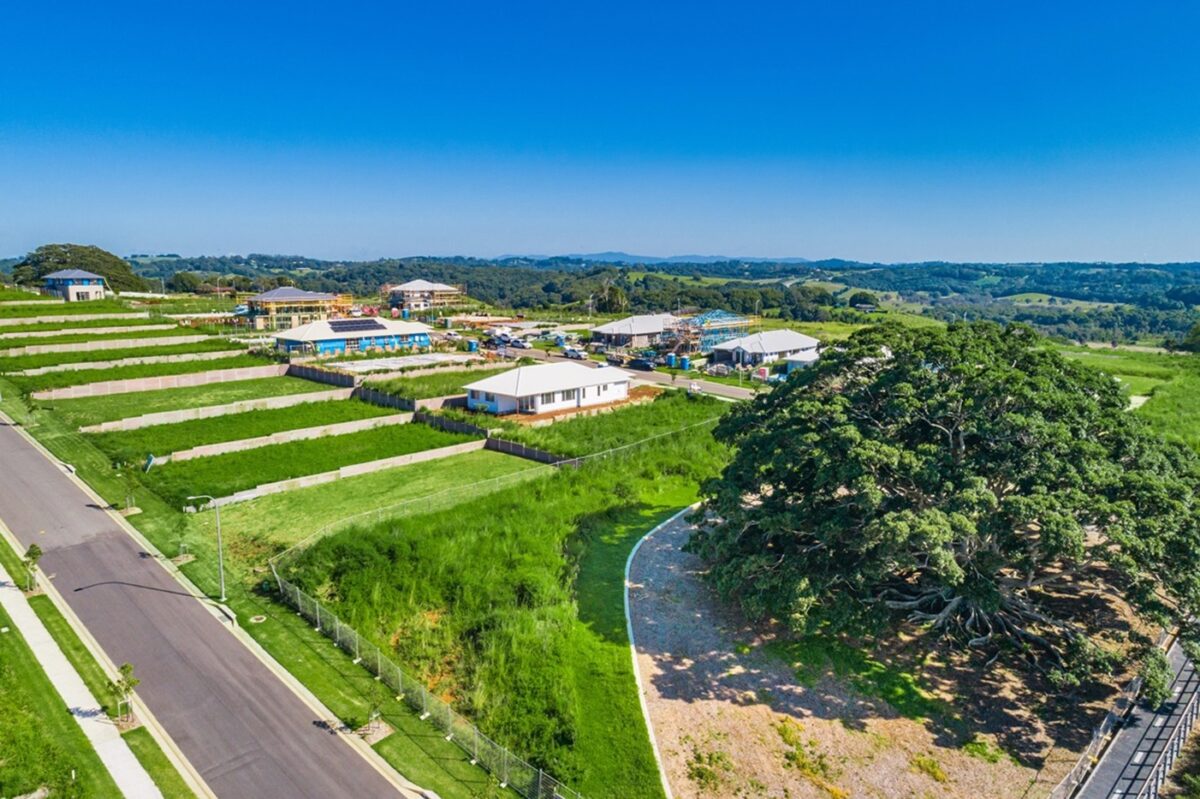
Banyan Hill, Cumbalum
In Victoria, several long-term projects reached important planning milestones.
“We received planning approvals for our Wangaratta project, Murdoch Waters, ahead of its launch early in 2026. We also got the rezoning approved for Creekside in Bundoora, a very exciting and significant project for Melbourne’s north.
“We are almost at the point where we will be able to relaunch Kinley after some time as well.”
“We have made some good, steady progress. There is always more I would have liked to achieve in a year, but a lot is going to be happening in 2026.”
A clearer path to delivery in 2026
Looking to the year ahead, Max is clear that feasibility needs to move to the centre of the housing conversation.
“I would like to see continued focus on trying to make housing more feasible. That has been lacking in the conversation over the last couple of years. It is about holding state government authorities and local councils to account for the things they control.”
He also wants more attention on the cost stack that holds projects back.
“I would also like to see a lot more attention put on the regulatory and taxation regime around the country for new projects, because that remains a significant handbrake on delivering housing supply.
“There are projects that could get going, barring some very high upfront capital costs. If they were able to defray that or delay that, it would likely unlock a lot more projects.”
“It would make a big difference to see more rate cuts in 2026 if inflation allows it, and to see more fiscal measures that genuinely support delivering new housing at prices people can afford.”
For Intrapac, the priority is to keep progressing a well-located pipeline so that when conditions are right, more of the homes Australia needs are actually ready to be delivered.