
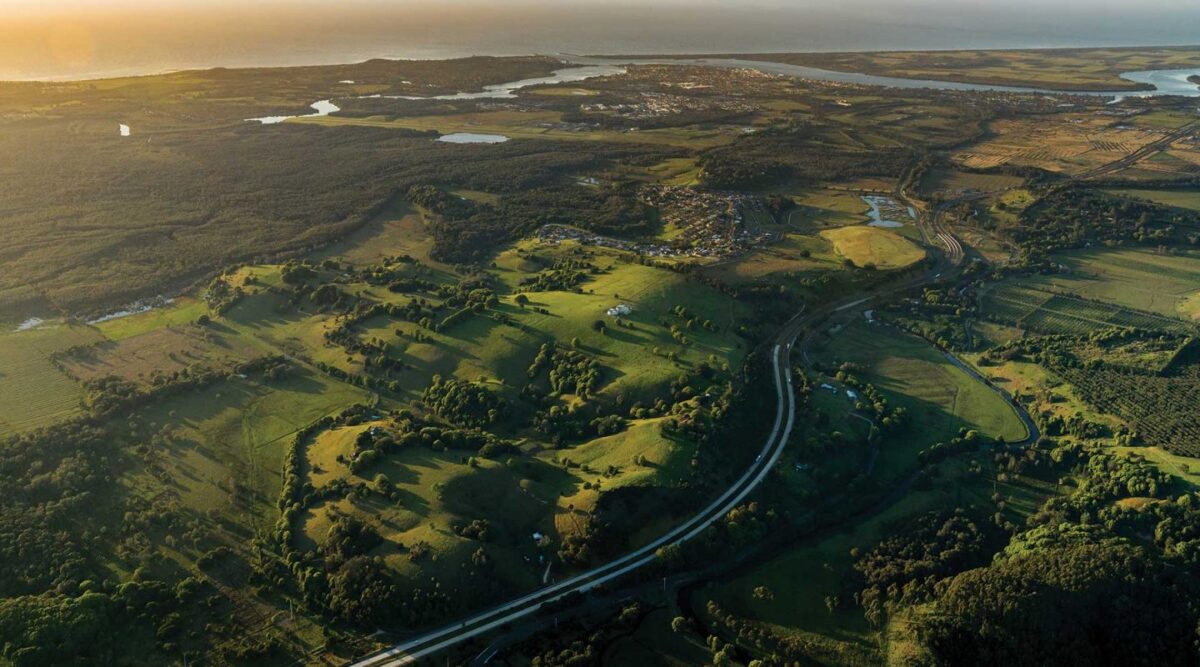
Why Queensland and Northern NSW are Australia’s Hottest Property Markets right now.
Australia’s property market isn’t just cycling — it’s shifting.
In the years since COVID, a more pronounced divide has emerged between states gaining momentum and those losing it. Where people choose to live, invest and do business is changing, and fast.
Right now, three forces are reshaping the landscape:
- Population is moving north at scale
- Supply is struggling to keep up
- Buyers and investors are reassessing value and lifestyle
For Intrapac Property CEO Max Shifman, this isn’t theory — it’s playing out in real time. With active projects across Queensland and Northern New South Wales, he’s seeing first-hand where demand is landing and where the pressures are building.
And right now, two regions stand clearly ahead of the pack.
Queensland: Chronically Undersupplied, Endlessly in Demand
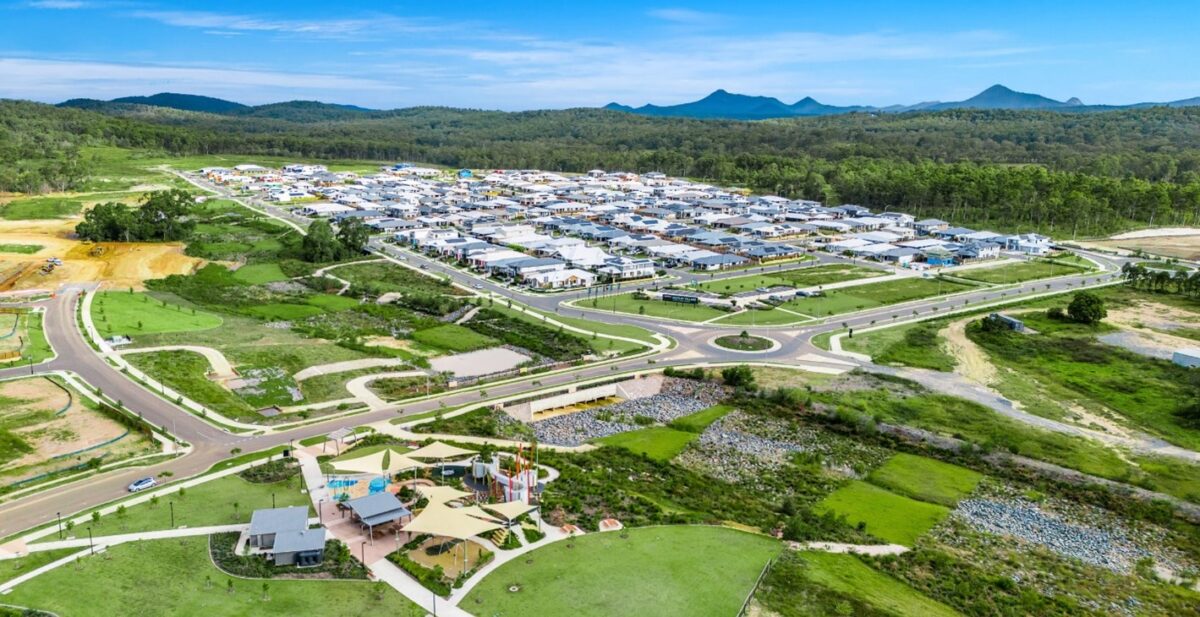
Intrapac’s Whiterock is rapidly growing with increased buyer demand both locally and interstate.
There’s little hesitation in how Shifman describes Queensland’s position.
The market, he says, “remains chronically undersupplied”. Population growth has consistently outpaced the state’s ability to build, driven by people chasing lifestyle, relative affordability, and confidence in Queensland’s economic trajectory.
The upcoming Olympics, a growing commercial hub, and an increasingly vibrant food and culture scene have all added to the pull. “Queensland has been growing much faster for the last four or five years than it was, say, the decade prior.”
But demand alone does not build homes. Queensland’s supply response has been constrained by a construction industry under significant pressure. The challenges posed by the CFMEU, now the subject of a state inquiry, have made large-scale project delivery difficult, pushing developers to establish their own building companies simply to get projects off the ground.
Cost inflation has added another layer of difficulty. Just as the industry was beginning to find its footing on post-pandemic pricing, he says, “concrete prices have gone up 6% in rapid time.” Emerging growth areas such as Ripley, Flagstone, and Caboolture West, are progressing steadily, but as Shifman notes, “it takes a good five, six, sometimes 10 years” before meaningful progress begins.
What this points to is not a market running out of steam, but one where demand has consistently outrun supply. The fundamentals, Shifman says, remain intact but the challenge now is building fast enough to meet the demand of a state that a growing number of Australians are choosing to call home.
The Victoria Shift: A market rebalancing
Queensland’s rise becomes clearer when viewed against what’s happening further south.
For decades, Victoria — and Melbourne in particular — held a dominant position, attracting both international migrants and consistent interstate inflows. That balance has started to change.
“Some people will call me political. I think it’s just a reality that Victoria is not a great place to be if you’re in business or investment at the moment.” A growing tax burden and regulatory environment are prompting some people and businesses to explore opportunities in other states. “That’s having an impact, and it’s certainly pushing people who want to have better economic opportunities out of the state.”
In contrast, Brisbane is gaining energy.
“Going to the CBD in Brisbane now is more exciting and has more people than what Melbourne does at the moment”, Shifman notes. The transformation of Brisbane’s city centre over recent years has been remarkable, reflecting the broader economic momentum building across South East Queensland.
Northern NSW: The Overlooked Opportunity
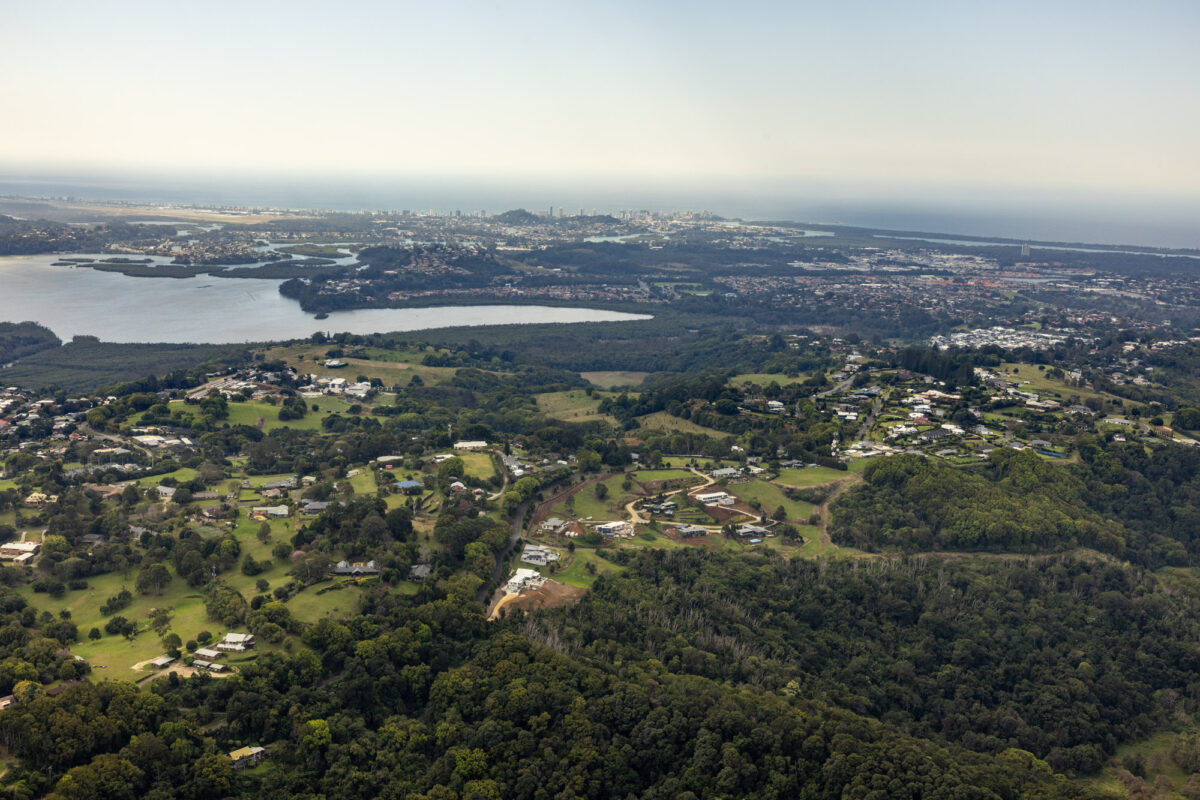
Brightview Terranora in the fast-growing Tweed Heads Region, just 10mins from Coolangatta Airport with outstanding views of the Pacific Ocean and Gold Coast skyline will offer an affordable alternative to the constrained Gold Coast region.
Just south of the Queensland border, another story is unfolding — one that’s less talked about, but increasingly significant.
“Northern New South Wales is effectively an extension of the Gold Coast”. Shifman says. “Some people won’t like me saying that, but it’s kind of true.”
The Gold Coast is increasingly constrained. With limited land availability, topography and environmental considerations making outward expansion difficult,, buyers are looking slightly further afield — and finding opportunity across the border. The Ballina–Coolangatta corridor is emerging as a natural continuation of the same lifestyle market, offering coastal amenity with a more accessible price point.
For Intrapac Property, this was a key driver behind acquiring the Terranora site for Brightview. With approximately 800 new homes across house and land packages and townhomes, Brightview is built on the identity of the Gold Coast and Tweed Heads while offering something the Gold Coast itself increasingly cannot: affordability.
Two factors are accelerating that shift:
- Greater flexibility: Remote and hybrid work have given a meaningful cohort of professionals genuine choice about where they live, and the Northern NSW corridor, well-connected and a fraction of Sydney’s cost, is a rational destination.
- Changing demographics: A more active, engaged generation of older Australians is rethinking where and how they live. “The sea change phenomenon is different to what it was 20 or 30 years ago. People are certainly more youthful and staying engaged.” These are not retirees withdrawing from economic life. They are simply recalibrating, and this corridor is where many are landing.
Where to From Here?
Across Australia’s major cities, affordability continues to shape decision-making.
Sydney’s median dwelling price of roughly $1.5 million, compared to Melbourne’s $1 million, says a great deal about where housing policy has succeeded and where it has not. A planning focus on high-density, transport-oriented development in established Sydney suburbs has produced housing that requires a household income of around $350,000 to access.
“It’s three to four times more expensive for every square metre of dwelling you get. It’s a big lifestyle choice, but it’s a false choice if the entry price is so much higher than what someone can conceivably afford.”
By contrast, the growth corridor stretching from South East Queensland into Northern NSW offers a different balance:
- Relative affordability
- Lifestyle-driven demand
- Strong population growth
- Long-term infrastructure investment
It’s this combination that is drawing both buyers and capital — and reinforcing the region’s position as one of the country’s most compelling property opportunities.
The fundamentals are clear.
The challenge, increasingly, is whether the industry can build fast enough to keep up.